
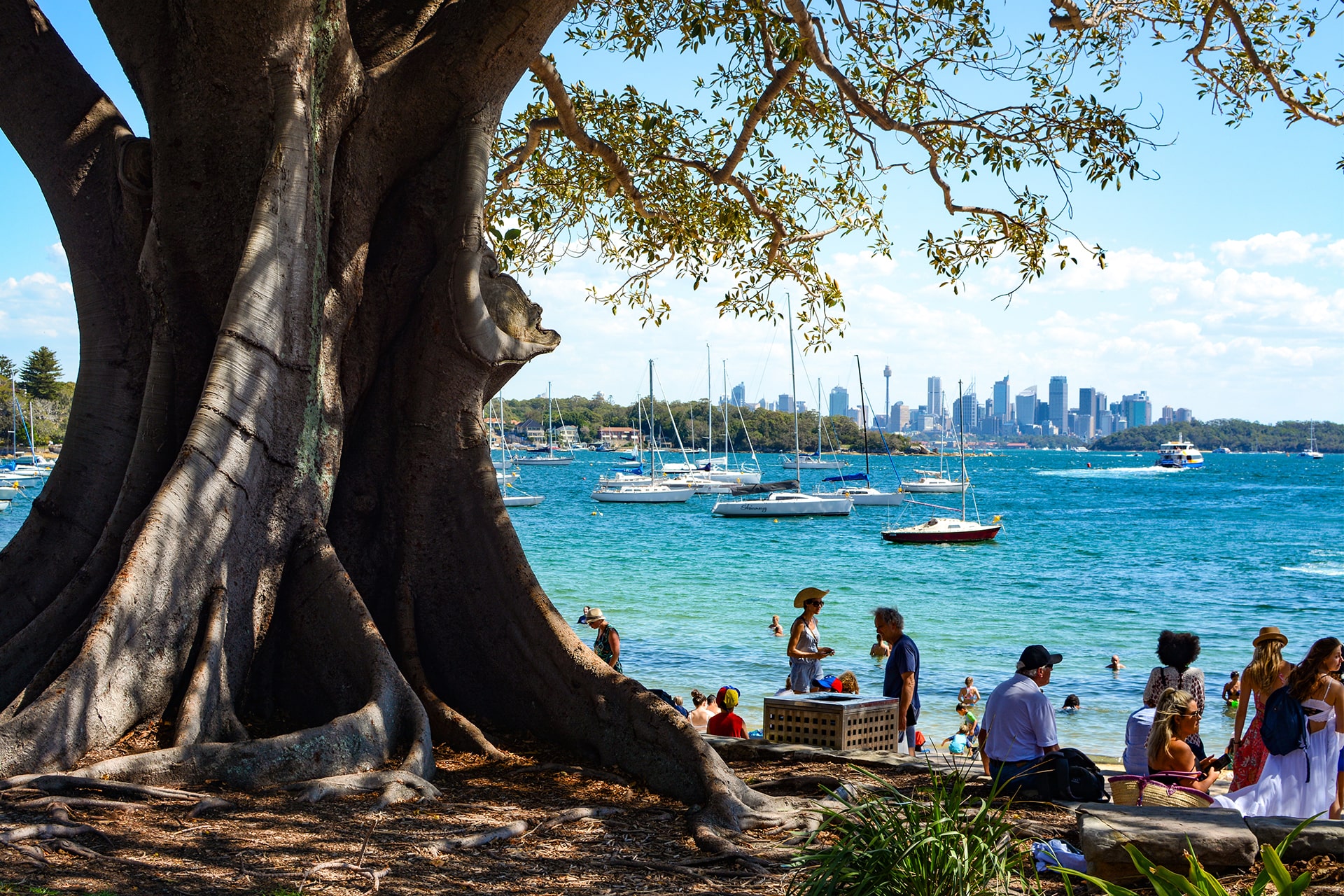
Sydney is a city that can be enjoyed at any time of year. The harbour always looks impressive, the dining scene is constantly evolving, and there is always something happening across the city.
That said, each season offers a slightly different experience. Some travellers come for the beaches and outdoor activities, while others prefer cooler weather, festivals, or exploring the city’s attractions at a more relaxed pace.
To help you decide when to visit, this blog takes a closer look at Sydney’s seasons, what you can expect throughout the year, and some of the events and experiences that may influence your travel plans.
Understanding Sydney’s Seasons and What They Mean for Your Trip
Because Sydney is in the Southern Hemisphere, its seasons run opposite to those in Europe and North America. Summer falls in December, January, and February. Winter runs from June through August. This is an important detail for international visitors who are used to the Northern Hemisphere calendar.
Spring (September to November)
Spring is one of the best times to visit Sydney, Australia. The weather becomes warmer, the days get longer, and the city feels more vibrant after winter. Temperatures range from around 12°C in the evening to 24°C during the day. This creates comfortable conditions for sightseeing and outdoor activities.
One of the highlights of spring is Sydney’s famous jacaranda season. In November, thousands of jacaranda trees bloom across the city, transforming streets, parks, and neighbourhoods with vibrant purple flowers. It is one of the most beautiful times of the year to explore Sydney and see a different side of the city.
Spring’s weather creates ideal conditions for many of the experiences the city is best known for, such as:
- Relaxing at Bondi Beach before the peak summer crowds arrive, with comfortable temperatures and plenty of space to enjoy the coastline
- Walking the Bondi to Bronte coastal trail. You can enjoy clear skies, ocean views, and seasonal wildflowers along the clifftops.
- Exploring the Blue Mountains in comfortable weather. The weather makes it easier to enjoy walking tracks, lookouts, and scenic attractions.
- Watching humpback whales migrate along the NSW coastline.
- Enjoying outdoor dining, harbour walks, and waterfront attractions without the heat of the summer months
With mild temperatures, clear skies, and colourful landscapes, spring is the best time to travel to Sydney for those who want to experience the city’s outdoor attractions.
Summer (December to February)
Summer brings Sydney to life. Temperatures range between 18°C and 28°C, although some days climb well into the high 30s. The beaches are at their busiest, outdoor dining is in full swing, and the harbour becomes the centre of activity throughout the season.
One of the biggest highlights of summer is New Year’s Eve. Sydney’s world-famous fireworks display over the harbour attracts visitors from around the globe, with vantage points around the waterfront filling with spectators long before the celebrations begin.
If you plan to visit during this time, booking accommodation and activities in advance is a good idea, as demand is very high.
As Sydney’s peak travel season, visitors can expect:
- Weather that is perfect for beach days and swimming.
- Lively beaches, including Bondi, Manly, and Coogee.
- Longer daylight hours, allowing more time for sightseeing, harbour cruises, coastal walks, and outdoor dining.
- Some of Sydney’s biggest annual celebrations, including New Year’s Eve, the Sydney Festival, and Australia Day.
- A lively social atmosphere throughout the city, with live performances and harbour-side activities becoming part of everyday life.
Autumn (March to May)
Autumn suits travellers looking for comfortable weather and a more relaxed atmosphere. As summer comes to an end, temperatures become milder.
From March to May, average daytime temperatures range between 14°C and 22°C. March is one of Sydney’s wetter months, but rainfall usually comes in short bursts rather than lasting all day.
One of the advantages of visiting during autumn is that the ocean remains warm from summer. Water temperatures stay around 22°C to 23°C through March and April, allowing visitors to enjoy Sydney’s beaches without the peak-season crowds.
Autumn offers a mix of major events, fewer crowds, and excellent opportunities to explore both the city and its surrounding regions. Highlights during this time of year include:
- Visiting the Sydney Royal Easter Show, Australia’s largest annual event, held at Sydney Showground.
- Exploring the Blue Mountains, where clear valley views, scenic lookouts, and walking tracks showcase some of the region’s most impressive landscapes.
- Taking day trips beyond the city to discover national parks, coastal towns, wineries, and other regional attractions at a more relaxed pace.
Winter (June to August)
Sydney’s winter temperatures range from around 8°C at night to 18°C during the day. Although June records the most rainfall of any month in Sydney, winter still includes plenty of bright and clear days for sightseeing and exploring.
Winter is also Sydney’s quietest tourism season, which creates a more relaxed atmosphere across the city. Popular attractions are less crowded, and accommodation and flight prices are lower.
Highlights during this season include:
- Experiencing Vivid Sydney, one of Australia’s most popular festivals. The event transforms Sydney Harbour, the CBD, and surrounding areas with large-scale light installations, projections, live performances, and creative displays. The famous Light Walk through Circular Quay, The Rocks, and Barangaroo is a major highlight.
- Visiting Sydney’s leading cultural institutions, including the Australian Museum, the Art Gallery of New South Wales, and the Museum of Contemporary Art Australia.
- Attending the Sydney Film Festival, a major event on Australia’s cultural calendar that showcases local and international films and attracts audiences from across the country and around the world.
So, When Is the Best Time to Visit Sydney?
Any experienced Sydney tour guide will explain that each season in the city offers a different atmosphere.
If your ideal holiday involves beach days, swimming, and long sunny afternoons by the harbour, summer is an excellent choice. The city is full of energy, the beaches are at their best, and the events calendar is packed. It is also the busiest and most expensive time of year, so planning ahead is important.
For many travellers, spring and autumn offer the best balance. The weather is comfortable, the city is less crowded, and it is easier to enjoy Sydney’s attractions, coastal walks, and day trips without the peak-season rush. These seasons are perfect to discover both the city and popular day-trip destinations in the surrounding region.
Winter appeals to those looking for lower travel costs and fewer crowds. The season also brings major events such as Vivid Sydney, along with plenty of opportunities to explore the city’s museums, galleries, and cultural attractions.
With world-class attractions and something happening throughout the year, every season offers its own reasons to explore the city.
Conclusion
No matter when you choose to visit, Sydney offers iconic landmarks, beautiful coastal scenery, world-class dining, and memorable experiences throughout the year. The best time to go to Sydney, Australia simply depends on the kind of holiday you have in mind.
If you want to make the most of your time, we offer Sydney private tours that make it easy to explore the city and its surroundings. At Ready Steady Tour, we can help you see more without the stress of planning everything yourself. Get in touch with us at 0434 136 329 or book online to start planning your trip.


